
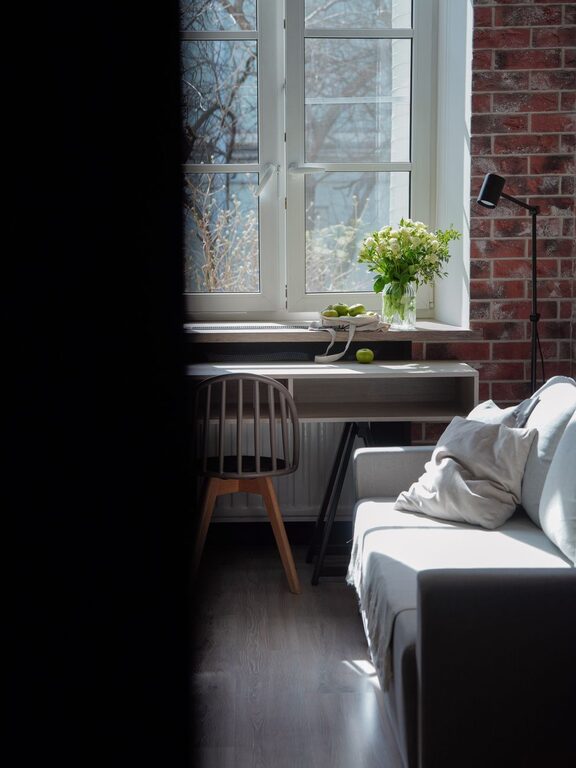
Creating a cozy and inviting home office space can make a significant difference in how you feel about working from home. Whether you’re starting a new remote job, freelancing, or simply need a dedicated spot for bills and projects, a comfortable and well-designed workspace can improve focus, reduce stress, and make your day more enjoyable.
Here are some practical tips to help you design a home office that feels both welcoming and functional.
Choose the Right Location
When selecting the spot for your home office, consider these factors:
– Natural Light: Places near windows provide natural light, which can boost mood and productivity.
– Quiet Environment: Pick a quiet corner or room where you won’t be easily distracted.
– Space Availability: Ensure you have enough room for a desk, chair, and storage.
If a separate room isn’t available, use room dividers, curtains, or bookshelves to create a distinct workspace within a shared area.
Invest in Comfortable Furniture
Comfort is key for long hours of work. Here’s what to consider:
– Ergonomic Chair: Look for adjustable chairs that support your back and promote good posture.
– Desk Size: Choose a desk with enough surface area to hold your computer and essentials, allowing you to work without feeling cramped.
– Adjustable Desk Options: Consider standing desks or those with adjustable heights to alternate between sitting and standing.
Set a Soothing Color Palette
Colors impact mood and productivity. For a cozy home office:
– Warm Neutrals: Shades like beige, soft gray, or taupe create a calm atmosphere.
– Accent Colors: Add pops of muted greens, blues, or earthy tones with decor or wall art for visual interest.
– Avoid Harsh Colors: Bright reds or intense yellows can be distracting or overly stimulating.
Optimize Lighting
Good lighting reduces eye strain and creates a welcoming vibe.
– Layered Lighting: Combine overhead lights with task lighting such as desk lamps.
– Warm Bulbs: Use bulbs that emit soft white or warm light rather than harsh fluorescent tones.
– Natural Light: Position your desk to take advantage of natural light but avoid glare on screens.
Incorporate Organizational Tools
Clutter can affect your focus. Keep your space tidy with:
– Shelves and Cabinets: Use vertical space for storing books, supplies, or files.
– Desk Organizers: Trays, pen holders, and drawer dividers keep small items in order.
– Cable Management: Use clips or sleeves to prevent cables from tangling.
Add Personal Touches
Make the space feel uniquely yours with:
– Artwork and Photos: Hang or place images that inspire and comfort you.
– Plants: Indoor plants add greenery and improve air quality, creating a fresher environment.
– Textiles: Soft cushions, rugs, or curtains enhance warmth and texture.
Maintain Good Air Quality and Comfort
Fresh air and temperature control are crucial.
– Ventilation: Open windows regularly or use an air purifier.
– Temperature: Use fans, heaters, or humidifiers to keep a comfortable climate.
– Break Space: Create a nearby area for short breaks to recharge.
Set Boundaries and Routines
The best home office is one that promotes a healthy work-life balance.
– Designated Work Hours: Stick to consistent start and end times.
– Workspace Separation: Avoid using your desk for leisure activities.
– Regular Breaks: Step away from your desk to stretch and move.
—
By blending comfort, organization, and personal style, your home office can become a cozy retreat that encourages productivity and well-being. With these tips, you’re ready to create a space that feels good to work in every day.